01What is core strengthening?
The “core” includes the deep and superficial muscles of the abdomen, back, pelvis and hips. These muscles work together to support the spine and transfer force between the upper and lower body.
Core training can be helpful for people recovering from back pain, athletes and anyone wanting to improve everyday strength. Exercise choice should reflect your current ability, pain history and goals.
02When core training may help
- Recurring back pain with lifting or activity
- Feeling weak or unstable during sport or gym exercises
- Difficulty with carrying, bending or getting up from the floor
- After pregnancy (once medically cleared)
- Reduced balance
03How a physiotherapy assessment helps

Your assessment with Dr. Pankaj B. LokhandeBPTh, MPTh (Ortho & Sports), PhD Scholar (MUHS)
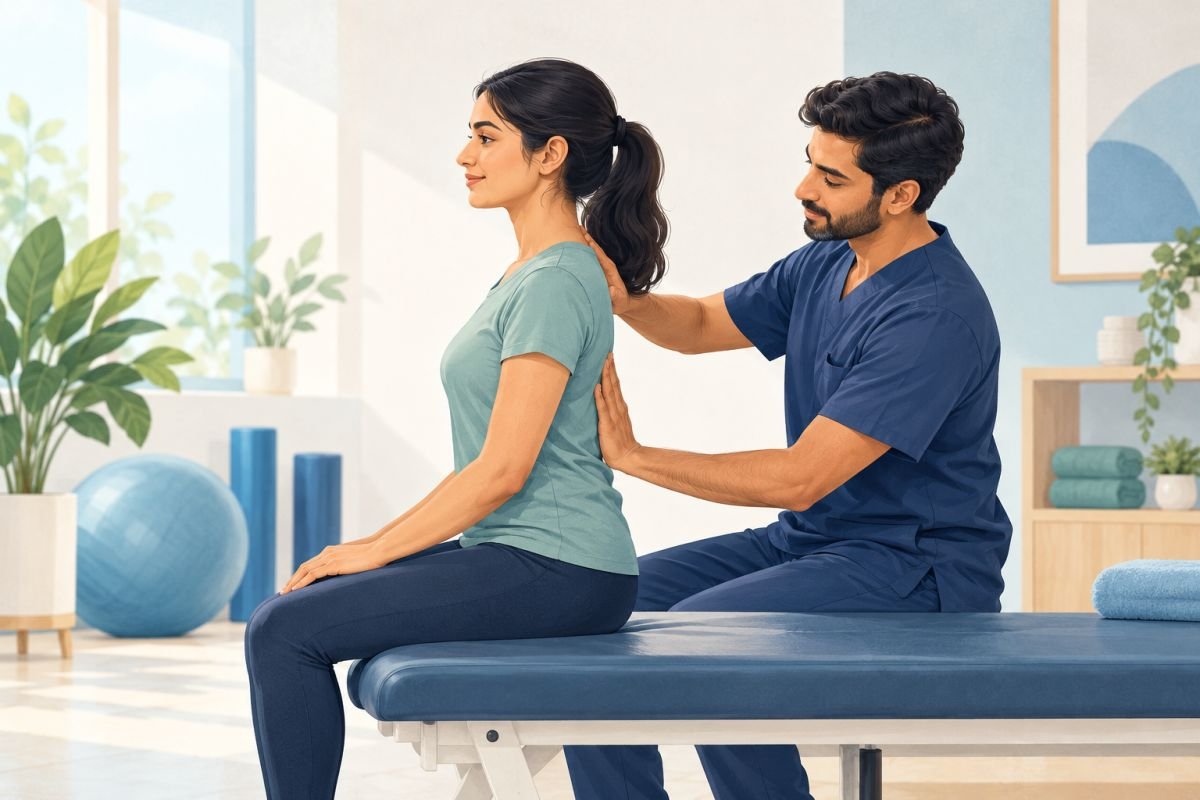
We assess trunk control, breathing pattern, hip strength, balance and how you perform movements such as bending, lifting and single-leg tasks. This helps us choose the right starting point.
04What a core programme may include
Foundational control
Learning to control the trunk with breathing and simple exercises.
Anti-movement exercises
Planks, side planks and carries that train the trunk to resist movement.
Hip strengthening
Bridges, hinges and single-leg work.
Functional patterns
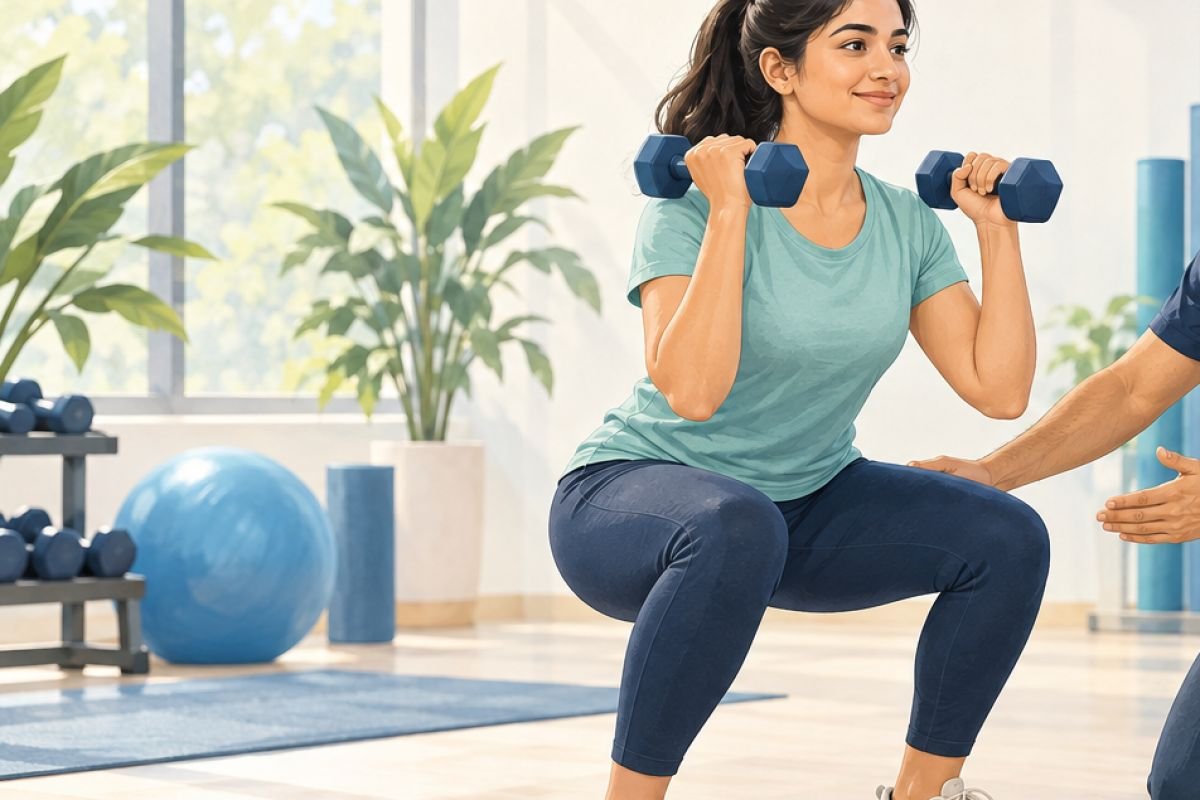
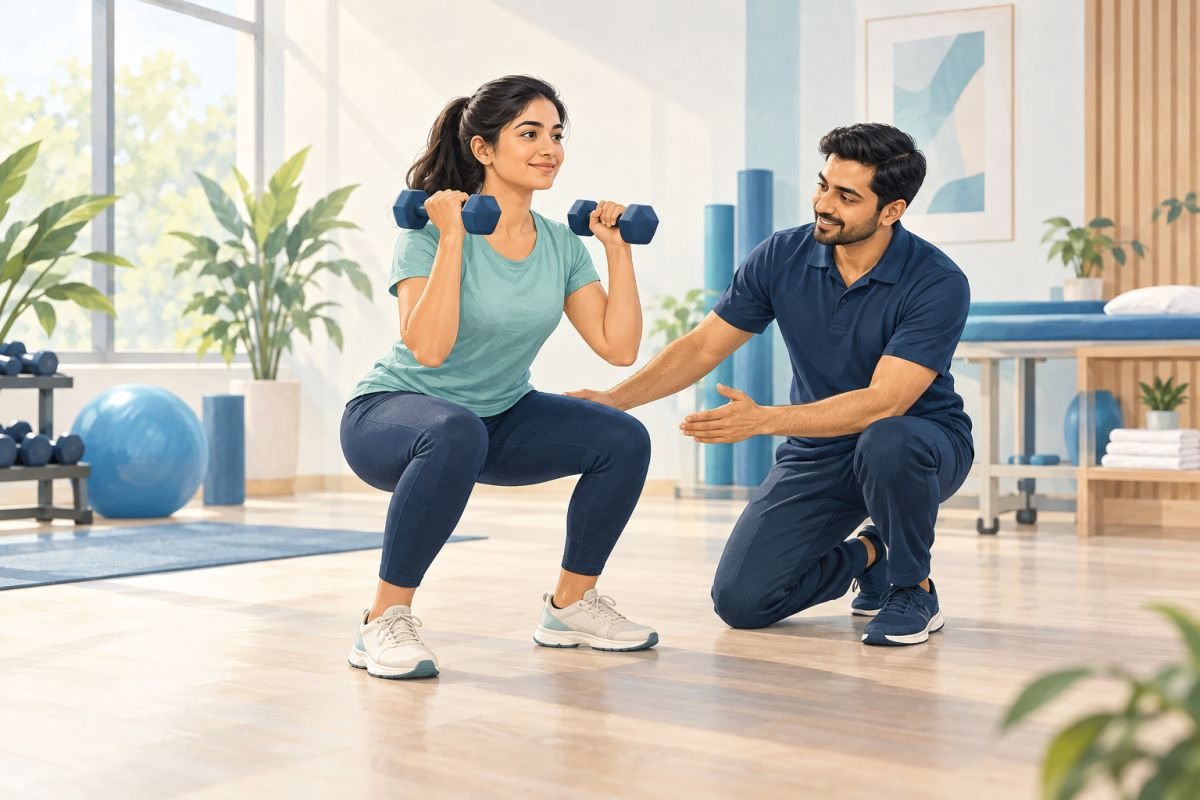
Squats, lifts and rotational movements.
Sport-specific power
Throwing, rotating and jumping when appropriate.
Progression plan
Gradually increasing difficulty over time.
Your plan is chosen after assessment. Not every approach listed here is suitable for every person.
05Who may benefit
- People with recurring back pain (after assessment)
- Athletes and gym users
- Older adults wanting better balance and strength
- New mothers after medical clearance
06Safety precautions
- After pregnancy or abdominal surgery, seek medical clearance first.
- Avoid holding your breath during exertion if you have high blood pressure.
- Start simple; quality of movement matters more than quantity.
07When to see a doctor first
- Back pain with bladder or bowel changes, or saddle numbness – seek emergency care
- Pain that increases significantly with exercise
- Abdominal bulging or pain at a surgical site
08Frequently asked questions
Are sit-ups good for core strength?
Sit-ups train some abdominal muscles, but a balanced core programme includes many other exercises. We tailor exercises to you.
Will core strengthening fix my back pain?
Core exercise can be part of a successful back pain plan, but it is not the only factor. General activity, confidence and graded loading matter too.
How often should I train my core?
Two to four times a week is a common, manageable target.
Can I do core exercises during pregnancy?
Some exercises may be suitable, but please seek advice from your obstetrician first.
This page provides general information and is not a diagnosis or a substitute for an individual assessment. Recovery varies from person to person. See our medical disclaimer.