01About Geriatric Physiotherapy
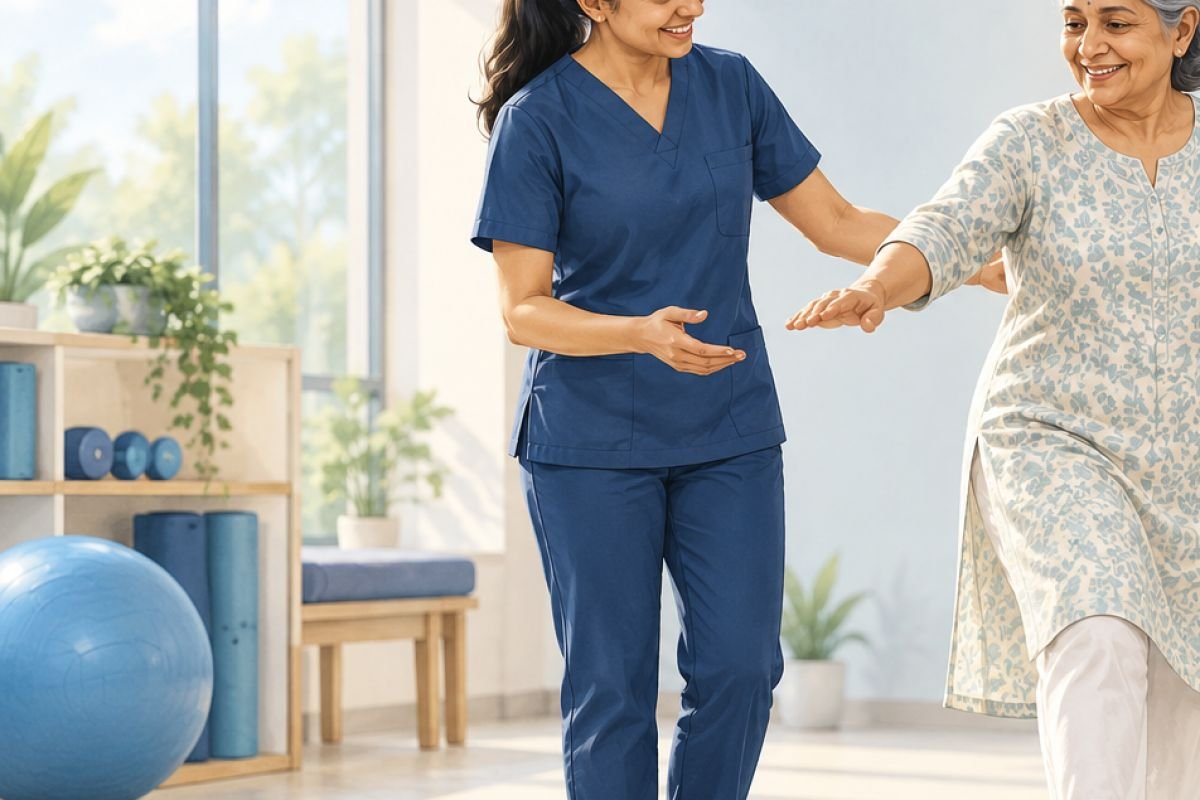
Geriatric physiotherapy supports older adults with age-related changes in strength, balance, joint health and walking. It also helps people recovering from illness, hospital stays or surgery to regain confidence and function.
Muscle strength and balance can improve at any age with the right exercise. Even small gains can make a real difference – getting up from a chair more easily, walking further without resting, or feeling safer on stairs.
02What this service covers
- Elderly physiotherapy
- Balance training
- Fall prevention
- Walking rehabilitation
- Strengthening for older adults
- Mobility improvement
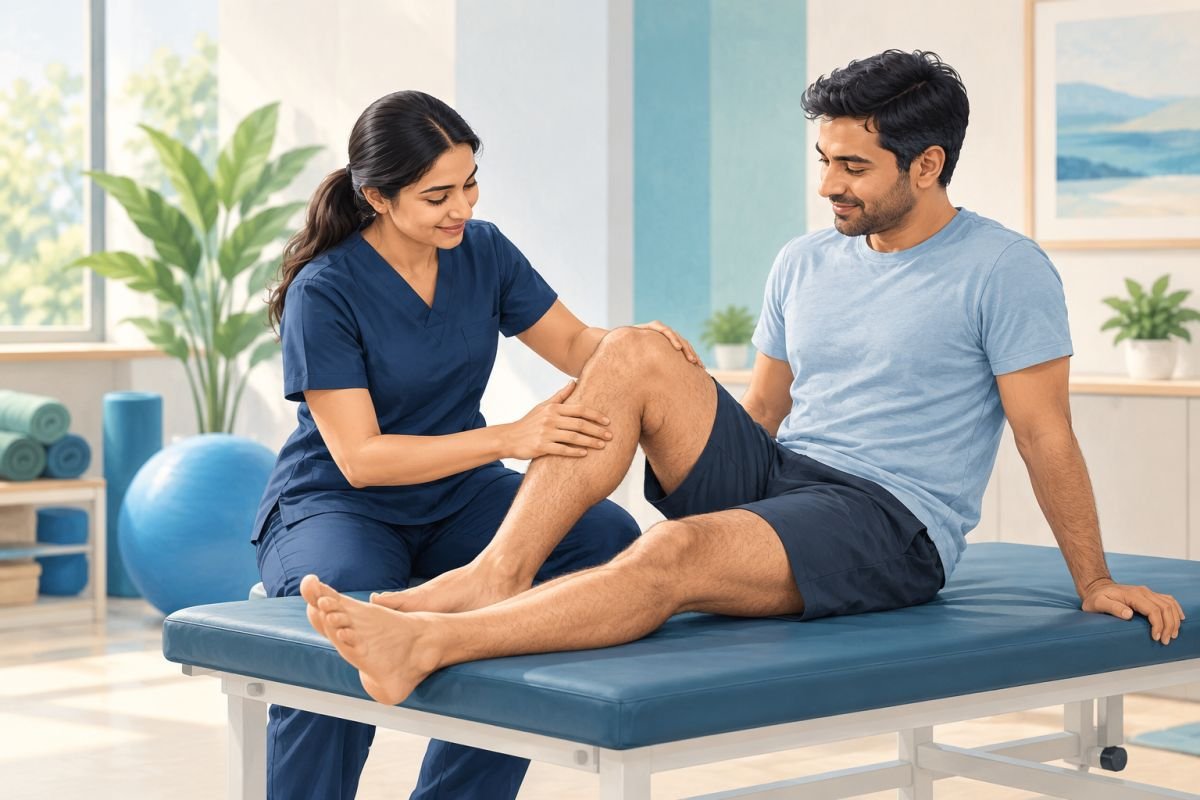
- Knee osteoarthritis
- Functional independence
- Age-related movement difficulties
03Common concerns we see
- Difficulty rising from a chair, bed or toilet
- Feeling unsteady when walking, turning or in crowded places
- A recent fall, or fear of falling that limits going out
- Slower walking or needing to rest often
- Joint pain and stiffness, especially in the knees, hips and back
04Possible causes and risk factors
- Gradual loss of muscle strength with age and inactivity
- Changes in balance, vision or sensation in the feet
- Arthritis and joint stiffness
- Some medications that can cause dizziness or drowsiness
- Periods of bed rest after illness or hospital admission
05How a physiotherapy assessment helps

Your assessment with Dr. Pankaj B. LokhandeBPTh, MPTh (Ortho & Sports), PhD Scholar (MUHS)
We use simple, validated tests – such as timed sit-to-stand, walking speed and balance tests – alongside a conversation about daily routine, home environment, falls history and goals. Family members or carers are welcome to attend.
Where we notice issues beyond physiotherapy – such as possible medication side-effects, vision problems or memory concerns – we will recommend speaking with the family doctor.
06Rehabilitation approaches we may use
Strength training
Safe, progressive leg and trunk strengthening, often using body weight and bands.
Balance exercises
Graded static and dynamic balance training, one of the most effective ways to reduce fall risk.
Walking practice
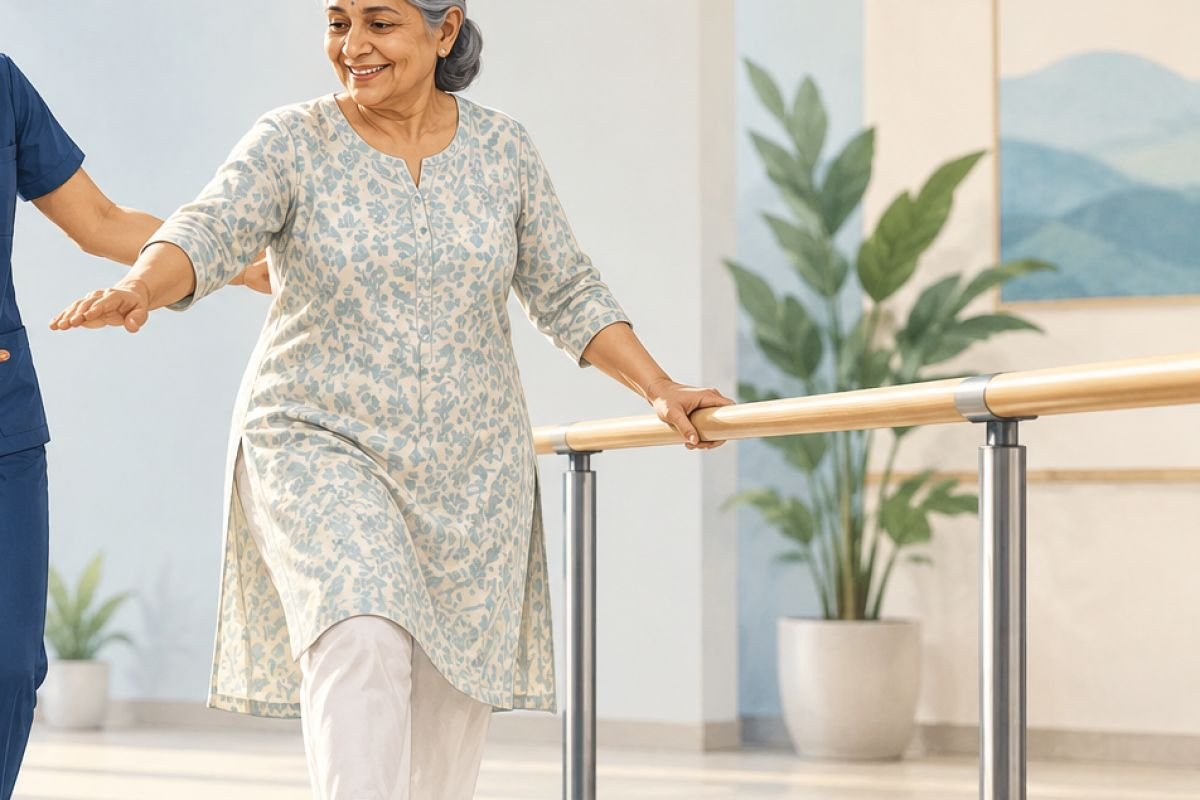
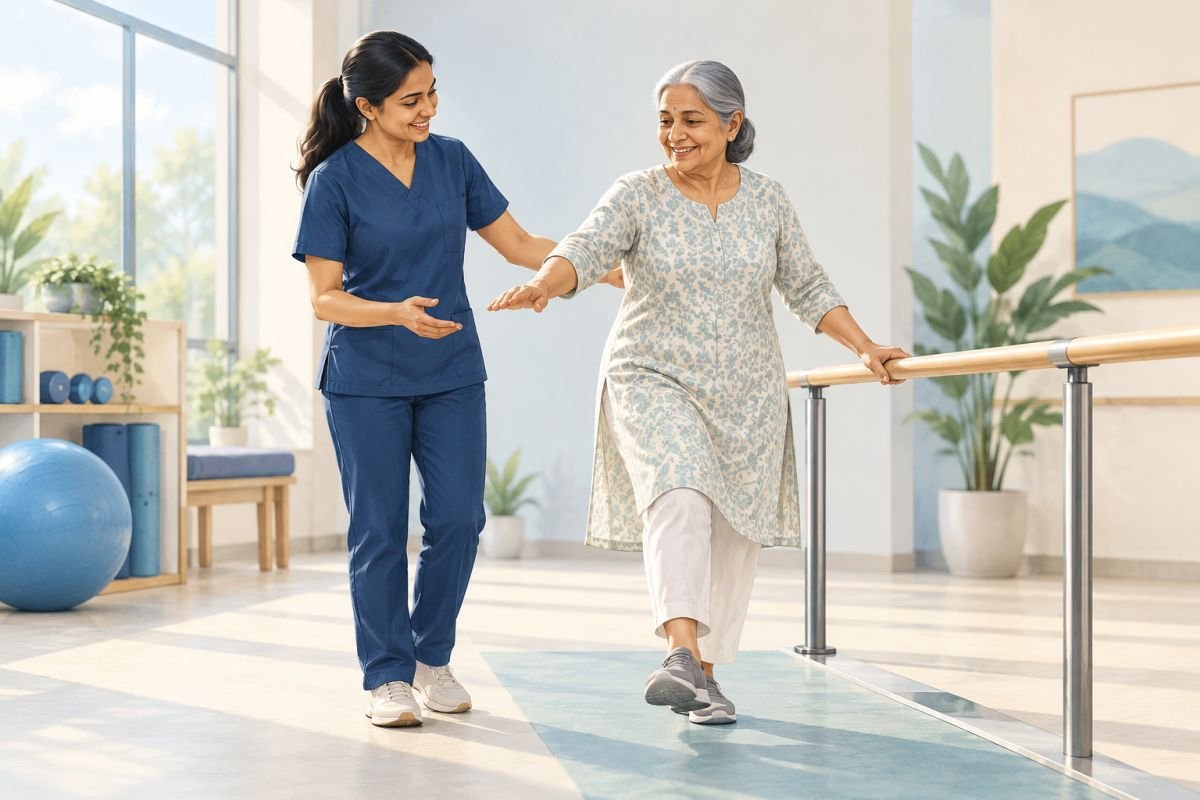
Improving walking pattern, endurance and safe use of walking aids.
Joint mobility
Gentle exercises to maintain comfortable movement in stiff joints.
Home safety advice
Practical suggestions such as lighting, rugs, grab rails and footwear.
Caregiver guidance
Teaching family members how to support exercises safely at home.
Your plan is chosen after assessment. Not every approach listed here is suitable for every person.
07Who may benefit
- Adults over 60 wanting to maintain strength and independence
- Older adults who have had a fall or fear falling
- People with arthritis in the knees, hips or spine
- Seniors recovering after hospital stays or surgery
08Safety precautions
- Exercises are always started at a comfortable level and supervised initially.
- Please tell us about heart conditions, blood pressure, diabetes, osteoporosis and all medications.
- Stop and rest if you feel dizzy, breathless or unwell during exercise.
09When to see a doctor first
- A fall with a head injury, or a fall while taking blood thinners
- Sudden confusion, slurred speech, facial drooping or arm weakness – call emergency services
- Repeated unexplained falls or blackouts
- Hip or groin pain with inability to walk after a fall
10Frequently asked questions
Is it too late to start exercising in my 70s or 80s?
No. Research shows that strength and balance can improve at older ages with appropriate, progressive exercise.
Can a family member attend sessions?
Yes – we encourage it. It helps carers understand how to support exercises safely at home.
Will the exercises be difficult?
Exercises are matched to the person’s ability and progressed gradually. The goal is challenge without strain.
Can physiotherapy reduce the risk of falls?
Exercise programmes that include balance and strength training are among the best-supported ways of reducing falls in older people.
FURTHER READING
This page provides general information and is not a diagnosis or a substitute for an individual assessment. Recovery varies from person to person. See our medical disclaimer.