01About Sports Injury Physiotherapy Rehab
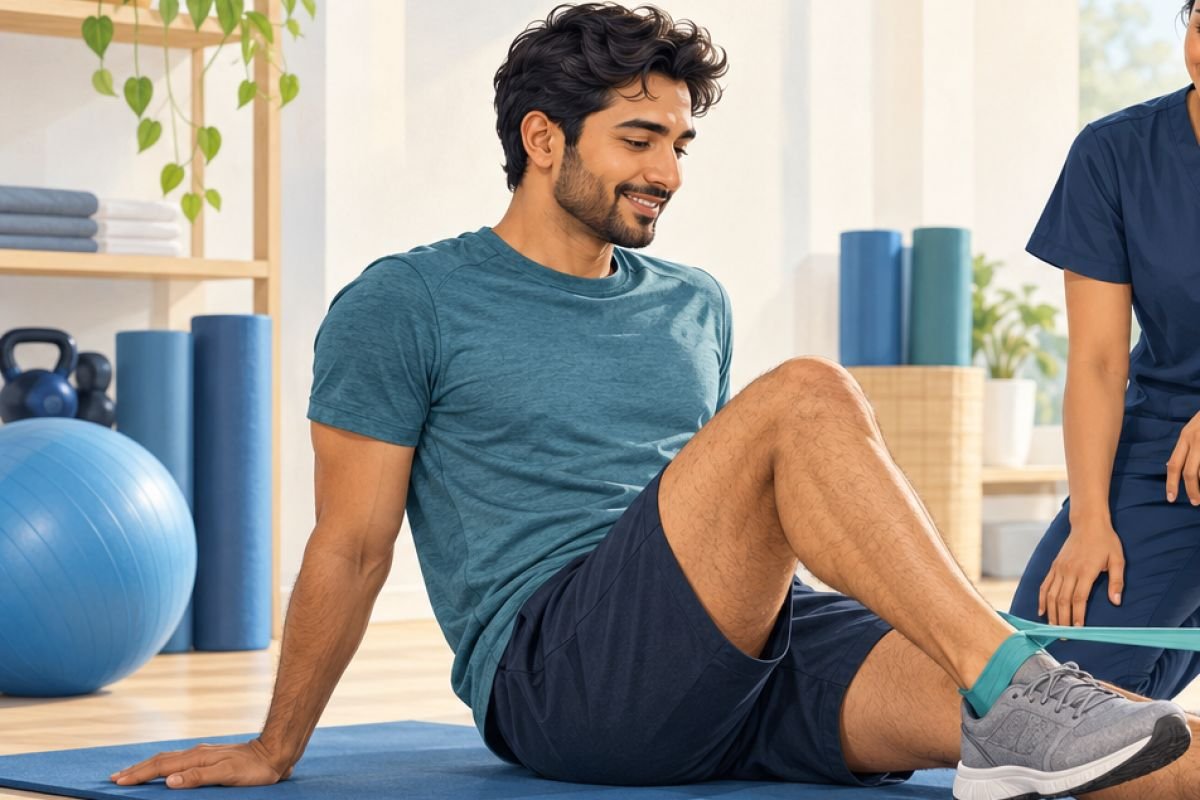
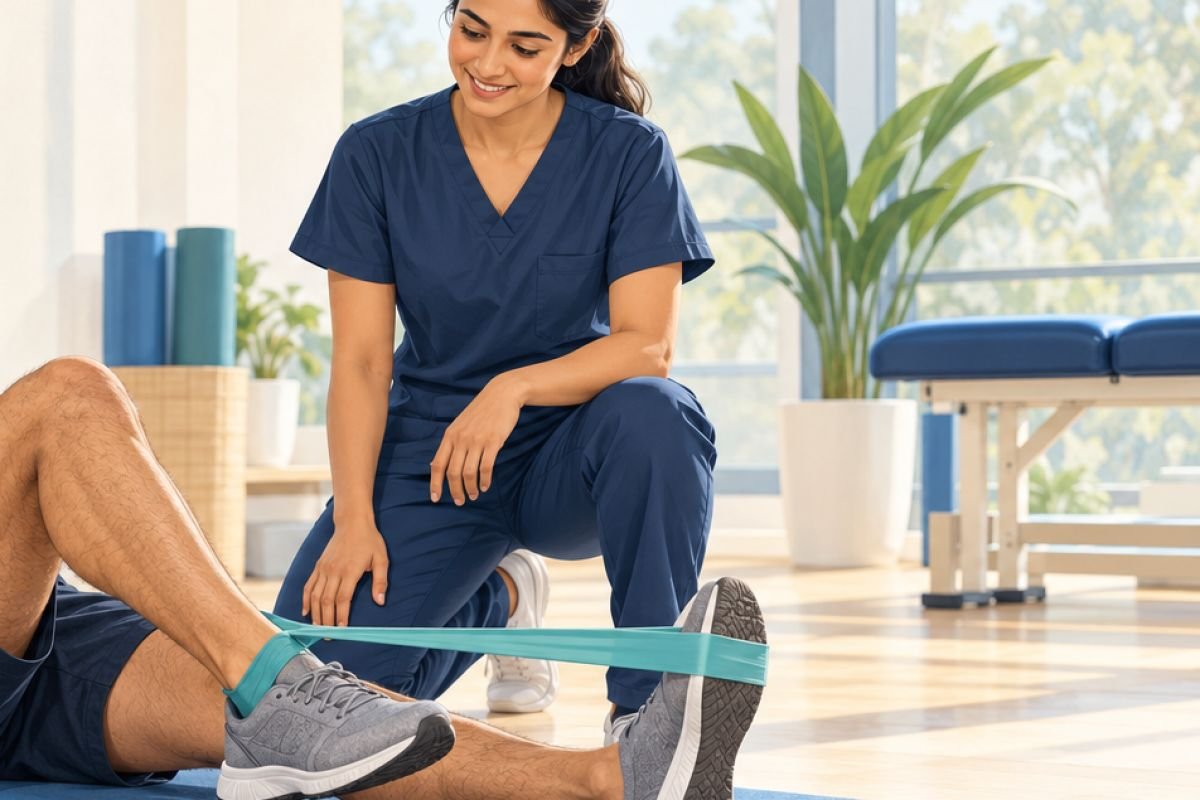
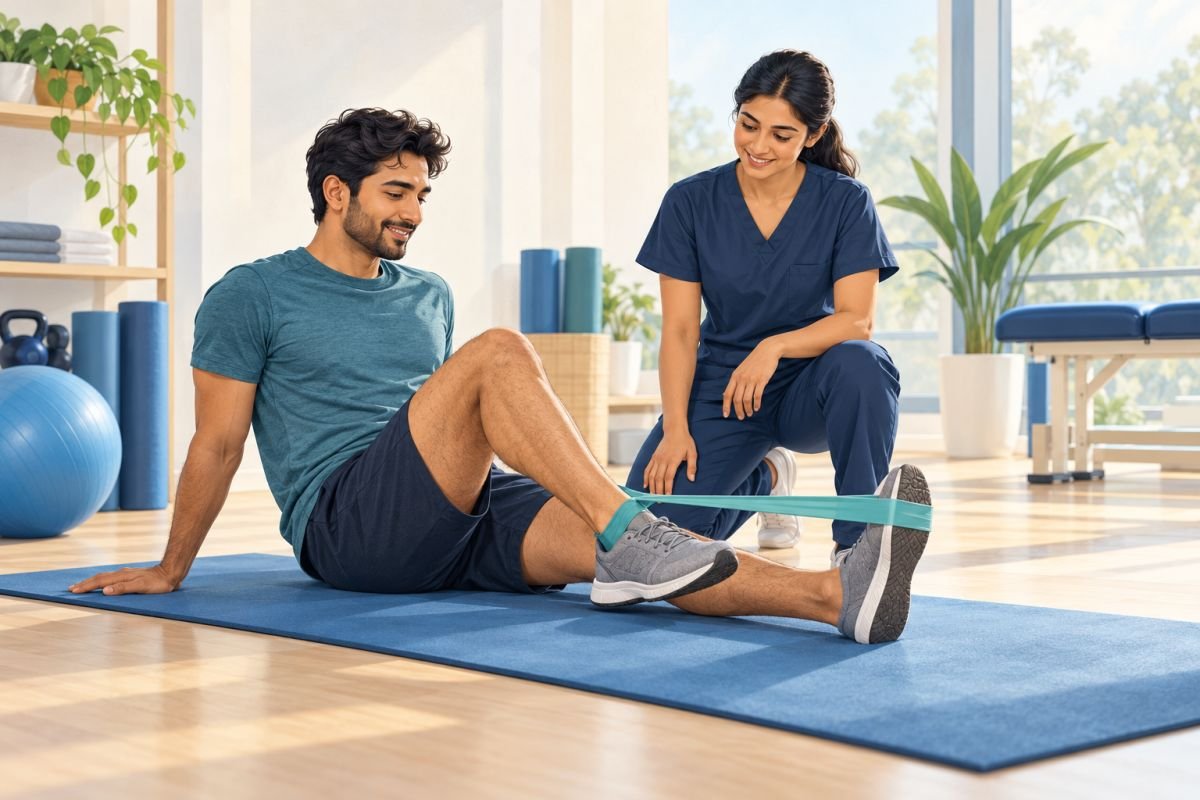
Sports injury rehabilitation covers both acute injuries – such as ankle sprains and muscle strains – and overuse injuries that develop gradually from training load. It runs from the first days after injury through to the final return-to-sport decision.
Re-injury is common when athletes return before they have regained enough strength, range and sport-specific capacity. That is why our programmes end with objective testing rather than simply waiting for pain to settle.
02What this service covers
- Ankle sprains
- Hamstring injuries
- ACL injuries
- Meniscus injuries
- Runner’s knee
- Shoulder injuries
- Ligament rehabilitation
- Sports conditioning
- Return-to-sport assessment
03Common concerns we see
- A sudden pain, pop or pull during sport
- Swelling and bruising after a twist or fall
- Pain that builds up with training and eases with rest
- Loss of speed, power or confidence in the injured area
- Repeated injuries in the same region
04Possible causes and risk factors
- Sudden changes of direction, landing or tackling
- Rapid increases in training load or competition frequency
- Inadequate warm-up or recovery
- Incomplete rehabilitation of a previous injury
- Strength or mobility deficits relative to the sport’s demands
05How a physiotherapy assessment helps

Your assessment with Dr. Pankaj B. LokhandeBPTh, MPTh (Ortho & Sports), PhD Scholar (MUHS)
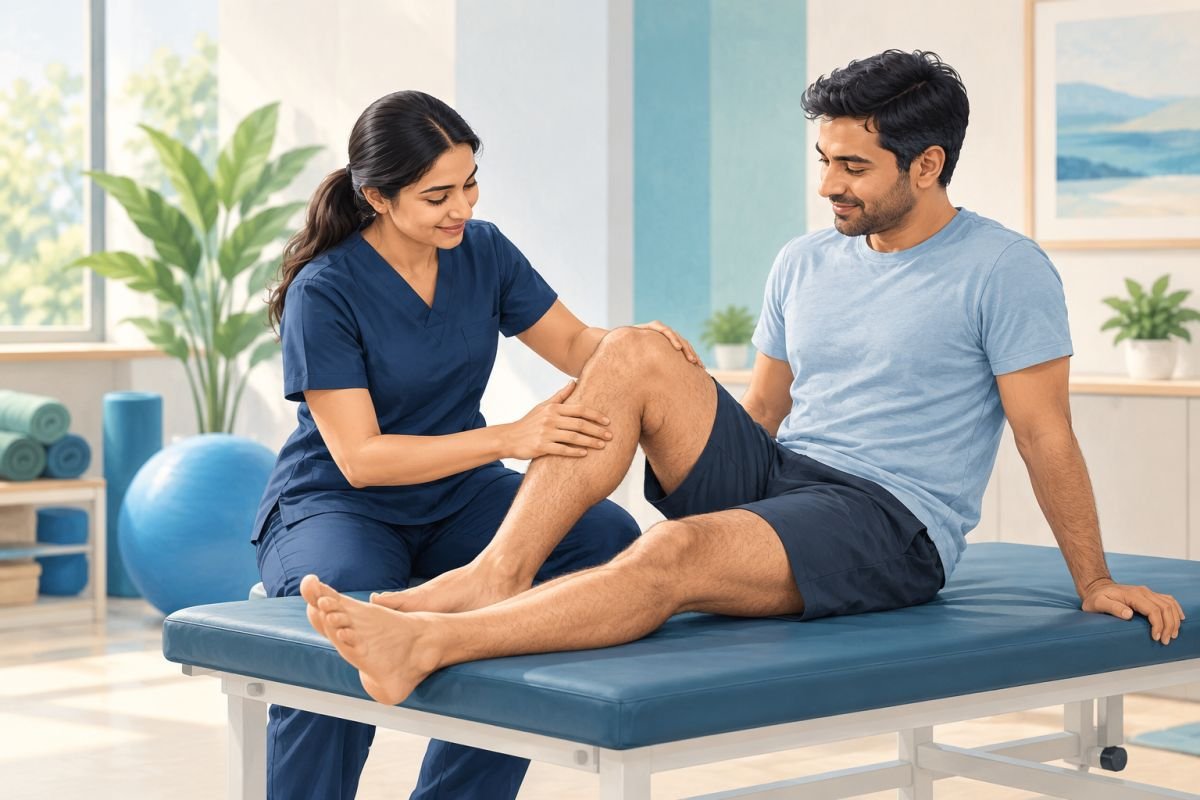
We diagnose the likely tissue involved, grade the injury and identify factors that may have contributed. For significant injuries, we will advise on imaging or orthopaedic opinion.
We then map out a staged plan with clear criteria for moving to each next phase – for example, full range of motion, pain-free jogging, or a strength target.
06Rehabilitation approaches we may use
Early injury management
Protecting the injured tissue while keeping the rest of the body active.
Progressive loading
Gradually increasing load to rebuild tissue capacity.
Neuromuscular training
Balance, landing and movement-control drills.
Sport-specific drills
Running, cutting, jumping, throwing or kicking, depending on your sport.
Conditioning
Maintaining fitness throughout rehabilitation.
Return-to-sport testing
Objective strength, hop and agility tests to support decision-making.
Your plan is chosen after assessment. Not every approach listed here is suitable for every person.
07Who may benefit
- Cricket, football, badminton, running and gym athletes
- School and college athletes (with parental consent for minors)
- Weekend and corporate league players
- Anyone who has been injured more than once in the same area
08Safety precautions
- Returning to sport too early is a common cause of re-injury; we will explain the criteria for each stage.
- Players under 18 should attend with a parent or guardian.
- If you take anti-inflammatory medicines, discuss their use with your doctor.
09When to see a doctor first
- Suspected fracture, dislocation or inability to bear weight
- Head injury or concussion symptoms – headache, dizziness, confusion, vomiting
- Severe swelling immediately after a knee injury with instability
- Numbness, coldness or colour change in a limb
10Frequently asked questions
How soon after an injury should I see a physiotherapist?
Early advice is useful – often within the first few days, once serious injury has been ruled out. Early guided movement can support recovery.
Should I use heat or ice?
In the first days after an acute injury, many people find ice helps with pain. We will advise on what is appropriate for your injury.
When can I return to my sport?
Return is based on meeting criteria such as strength, range of motion and sport-specific tests – not just time. We will discuss realistic expectations after assessment.
Do you work with teams?
For team or event support, see our Corporate Sports Events service or contact the clinic to discuss requirements.
FURTHER READING
This page provides general information and is not a diagnosis or a substitute for an individual assessment. Recovery varies from person to person. See our medical disclaimer.