01What is return to sport after injury?
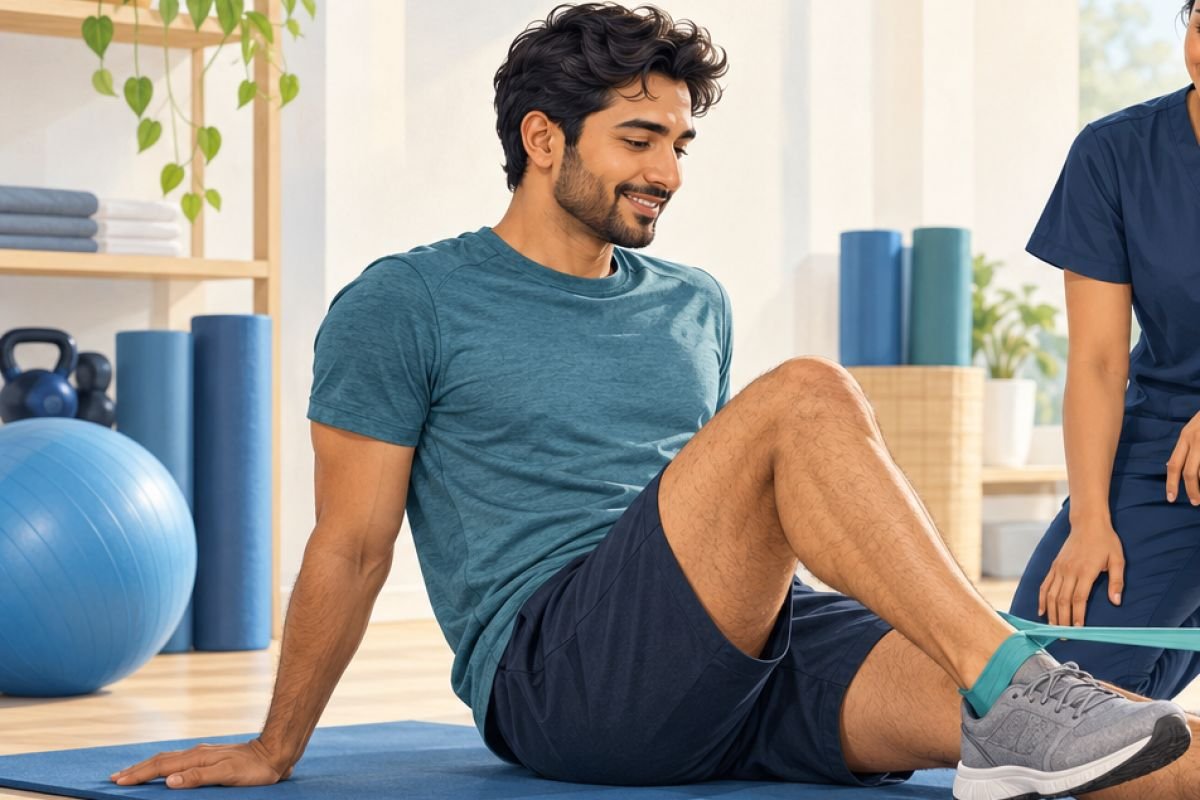
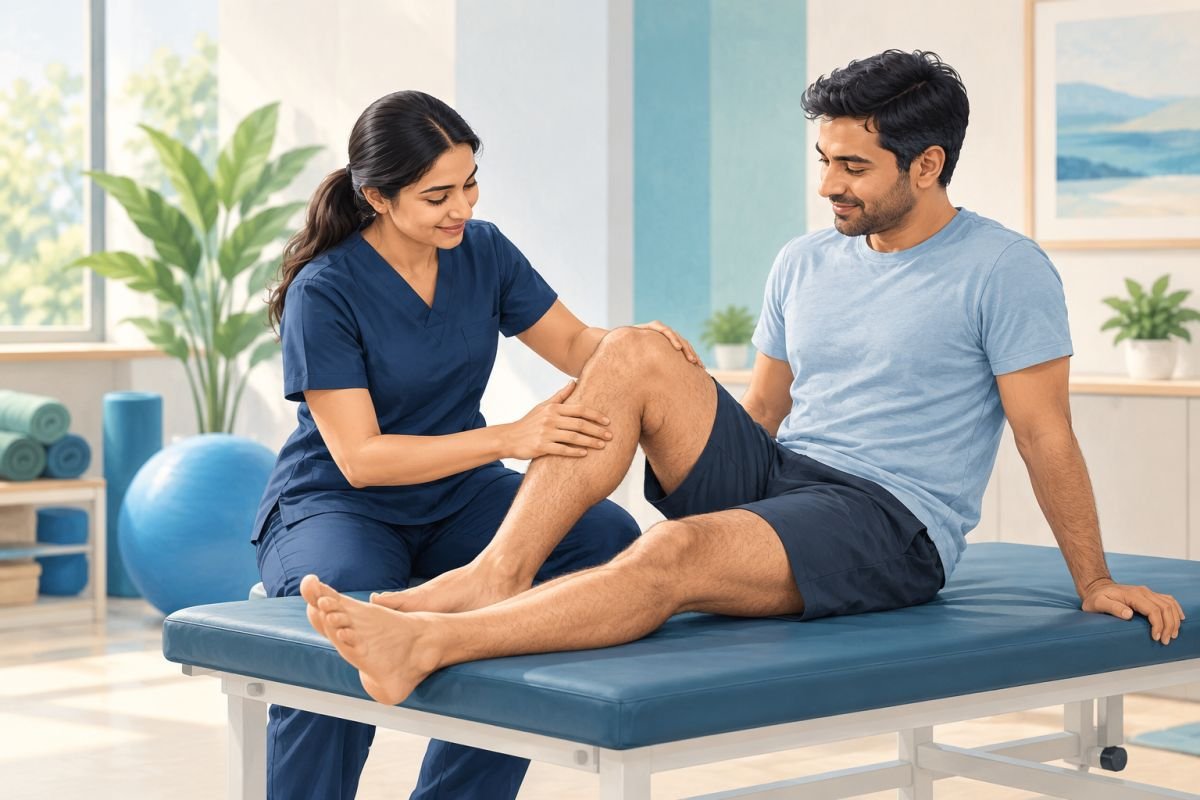
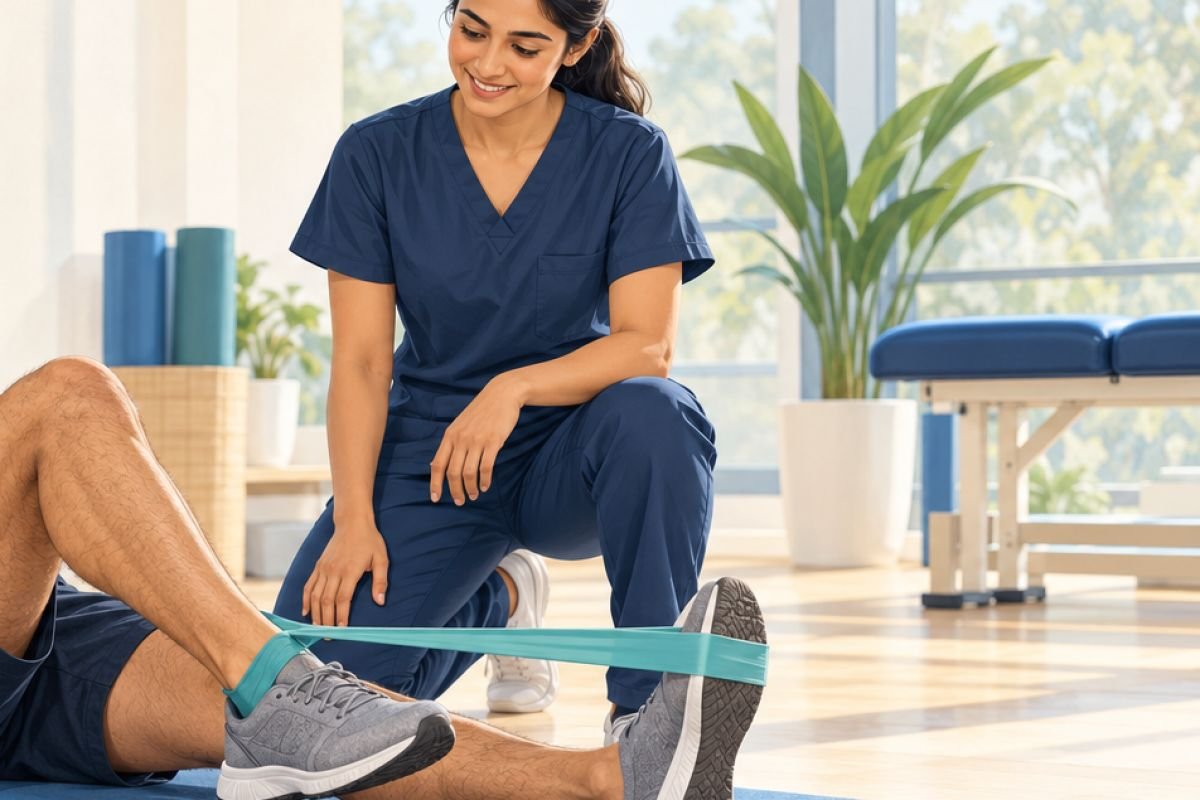
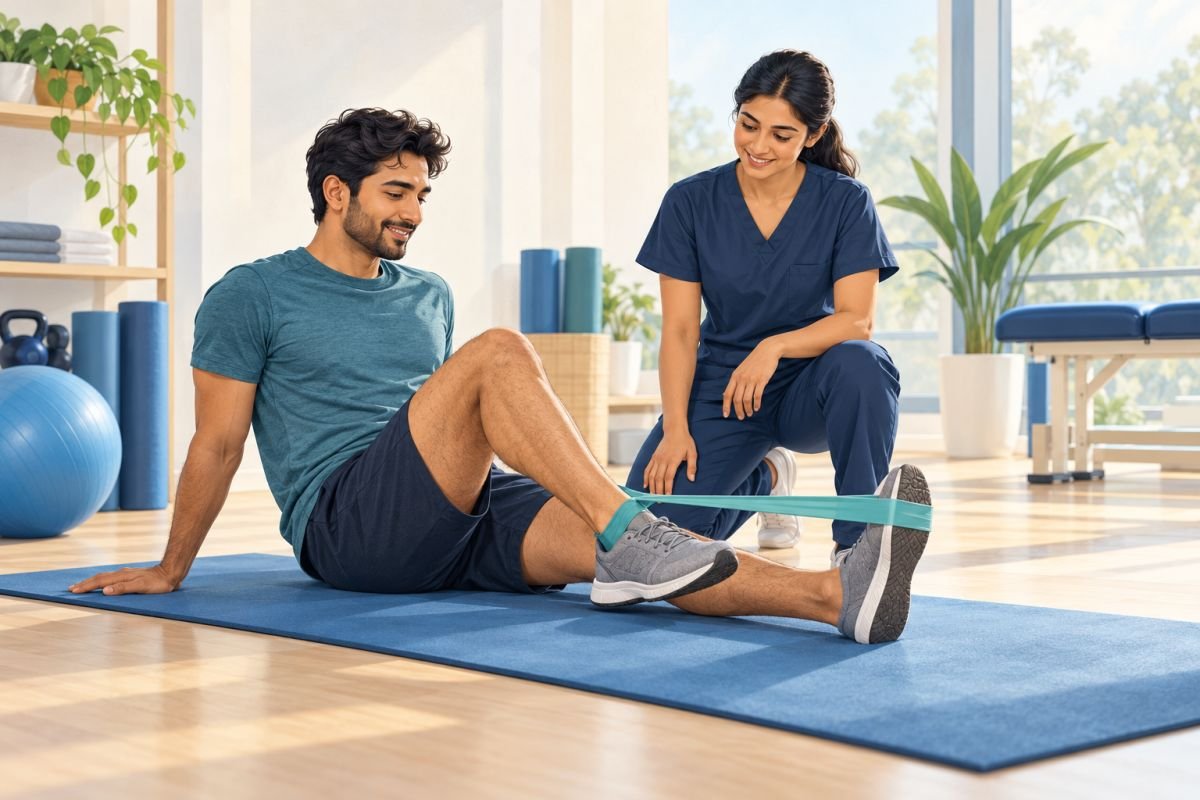
Return-to-sport rehabilitation is the final phase of injury recovery. It focuses on restoring the strength, power, speed, agility and confidence needed for your sport, and on testing whether you are ready.
Decisions are based on objective criteria – such as strength comparisons between legs, hop tests and sport-specific drills – rather than time alone. This approach aims to reduce the risk of re-injury.
02Signs you may need this phase
- Daily activities feel fine but sport still feels uncertain
- Strength difference between injured and uninjured sides
- Hesitation with cutting, jumping or sprinting
- Recurring injury after previous returns
- Lack of confidence in the injured area
03How readiness is assessed

Your assessment with Dr. Pankaj B. LokhandeBPTh, MPTh (Ortho & Sports), PhD Scholar (MUHS)
Testing may include strength measures, single-leg hop tests, balance, agility drills and sport-specific tasks. We also consider psychological readiness – confidence matters.
04Rehabilitation approaches we may use
Strength and power development
Closing strength gaps between sides.
Plyometrics
Jumping and landing drills progressed safely.
Speed and agility
Acceleration, deceleration and change of direction.
Sport-specific training
Skills and movements for your sport.
Conditioning
Matching the fitness demands of your sport.
Graduated return
From training to partial to full competition.
Your plan is chosen after assessment. Not every approach listed here is suitable for every person.
05Who may benefit
- Athletes after ACL reconstruction, ankle sprains or hamstring strains
- Players returning after long breaks from sport
- Anyone with recurrent injuries
06Safety precautions
- Return to full competition should follow a graduated process.
- Fatigue increases injury risk; manage training load carefully.
- Your surgeon’s timelines apply after surgery.
07When to see a doctor first
- Swelling or instability during return-to-sport drills
- Pain that increases each session
- Head injury or concussion symptoms – stop and seek medical assessment
08Frequently asked questions
How do I know I’m ready to return to sport?
Readiness is judged by meeting criteria such as strength, hop tests and sport-specific performance, alongside confidence.
Can I return as soon as pain goes?
Pain resolution alone is not enough. Strength and movement control are important for reducing re-injury risk.
Do you test strength objectively?
We use practical clinic-based tests to compare sides and track progress over time.
Is fear of re-injury normal?
Yes. Gradual exposure to sport-specific tasks helps rebuild confidence.
This page provides general information and is not a diagnosis or a substitute for an individual assessment. Recovery varies from person to person. See our medical disclaimer.