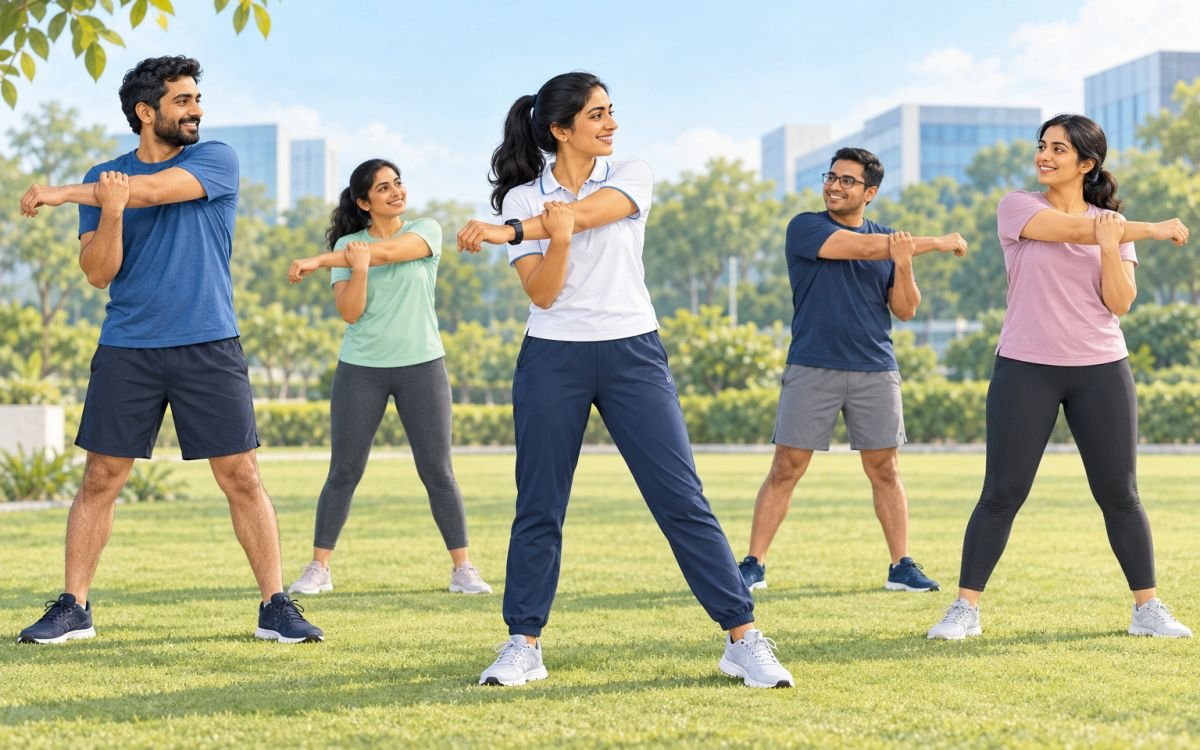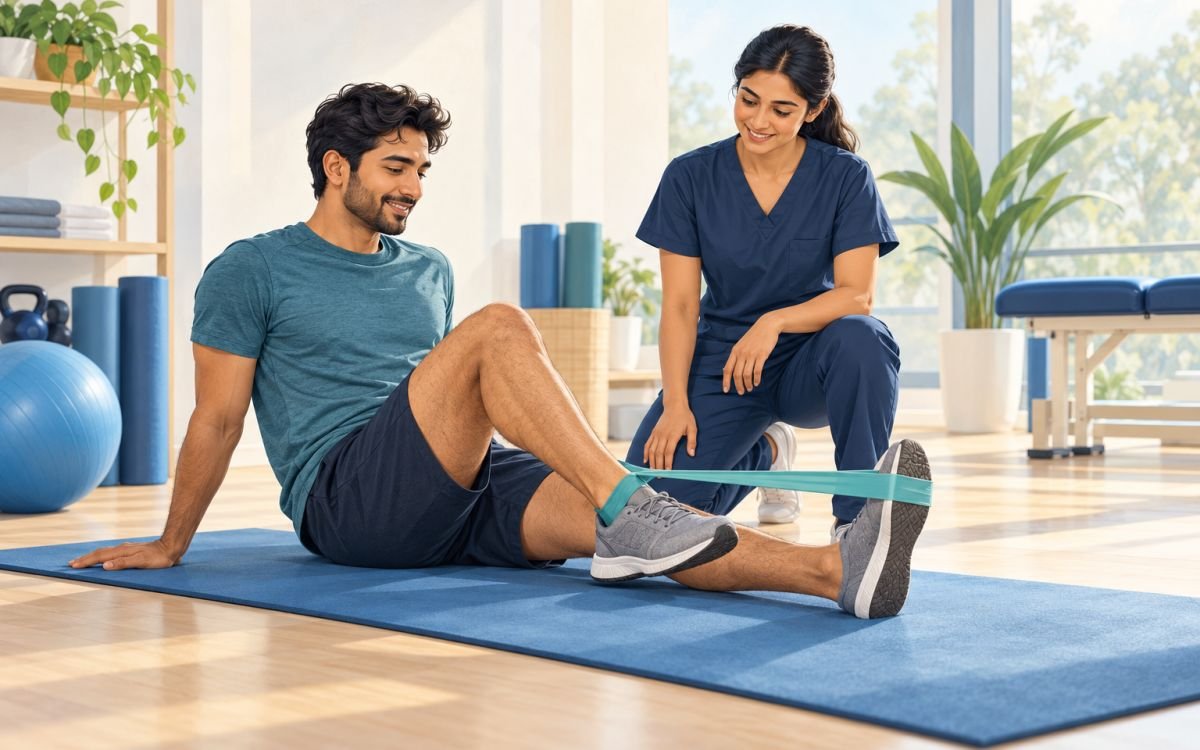
Whether it’s a rolled ankle on the cricket ground, a hamstring strain in a sprint or a sore knee from a badminton lunge, sports injuries are frustrating. The good news is that most heal well with sensible management. The challenge is avoiding the two most common mistakes: doing too little, and doing too much too soon.
01Step 1: Rule out serious injury
Before anything else, look for signs that need medical assessment.
Seek medical care for suspected fractures or dislocations, inability to bear weight, obvious deformity, numbness or colour change in a limb, rapid knee swelling with instability, or any head injury with concussion symptoms such as headache, confusion, dizziness or vomiting.
02Step 2: Protect, then move
In the first couple of days, protect the injured area from aggravating activities. Elevation and compression may help with swelling, and many people find ice soothing for pain. But prolonged rest is rarely helpful. Gentle, pain-guided movement soon after injury supports healing and reduces stiffness.
03Step 3: Load progressively
Tissues like muscles, tendons and ligaments adapt to the loads placed on them. Rehabilitation gradually increases those loads – from simple movements to strength exercises to sport-specific drills. Progression should be based on how your body responds, not only on how many days have passed.
04Step 4: Don’t forget balance and control
After injuries such as ankle sprains, balance and joint position sense can remain reduced even after pain resolves. Balance and neuromuscular training help restore control and are associated with lower re-injury rates.
05Step 5: Stay fit while you recover
Cross-training – cycling, swimming or upper-body work, depending on the injury – helps maintain fitness so that returning to sport is less of a shock.
06Step 6: Return to sport based on criteria
Feeling pain-free is not the same as being ready. A good return-to-sport process checks strength, range of motion, sport-specific skills and confidence. Many athletes return through stages: full training, then limited match time, then full competition.
07Common mistakes to avoid
- Stopping rehab as soon as pain settles.
- Returning to full intensity immediately after a long layoff.
- Ignoring the uninjured side and general conditioning.
- Relying only on passive treatments without active exercise.
- Skipping warm-ups after you’re back.
08When to see a physiotherapist
If an injury isn’t improving within a week or two, if it keeps recurring, or if you’re unsure how to progress safely, a physiotherapy assessment can give you a clear, staged plan and objective criteria for returning to play.
09Frequently asked questions
Should I use heat or ice after an injury?
Many people find ice helpful for pain in the first few days after an acute injury. Heat may be more comfortable later for stiffness.
How do I know I’m ready to play again?
Readiness should be based on strength, movement, sport-specific tests and confidence – not just the absence of pain.
For advice about your own symptoms, book an assessment at our New Panvel clinic.
This article is for general education and does not replace personal medical advice. If you have symptoms, please consult a qualified healthcare professional. See our medical disclaimer.