Many people with knee pain assume they have arthritis – especially after 40. Sometimes that’s true, but knee pain has many possible causes, and the right management depends on which one is responsible.
01What is knee osteoarthritis?
Knee osteoarthritis (OA) is a condition affecting the whole joint, including cartilage, bone and surrounding tissues. It is more common with age, higher body weight and previous knee injury. Symptoms typically develop gradually.
Typical features of knee OA
- Usually over 45 years of age
- Pain related to activity, easing with rest
- Short-lived morning stiffness (often under 30 minutes)
- Gradual onset over months or years
- Grinding sensations and occasional swelling
02Other common causes of knee pain
- Patellofemoral pain (runner’s knee): pain around the kneecap, often in younger active people, worse with stairs, squats and prolonged sitting.
- Ligament injuries: usually after a twist or impact, sometimes with swelling and instability.
- Meniscus tears: may cause catching, locking or joint-line pain.
- Tendon problems: such as patellar tendinopathy, with pain just below the kneecap during jumping.
- Referred pain: from the hip or lower back.
- Inflammatory arthritis: such as rheumatoid arthritis, which may involve several joints, prolonged morning stiffness and needs medical care.
03Do I need an X-ray?
For adults over 45 with typical symptoms, knee OA can often be diagnosed clinically without an X-ray. Imaging may be useful when the diagnosis is unclear, symptoms are unusual or surgery is being considered. It’s also worth knowing that X-ray changes don’t always match how much pain someone has.
04Good news: exercise helps both
Whether your knee pain is from osteoarthritis or another common cause, strengthening the thigh and hip muscles is a core part of treatment for most people. The difference lies in the details: exercise choice, load, and what other strategies are added.
05When to seek medical attention
See a doctor promptly if your knee is hot, red and swollen with fever; if it locks and won’t straighten; if you cannot bear weight after an injury; or if several joints are swollen and stiff for long periods each morning.
06Next steps
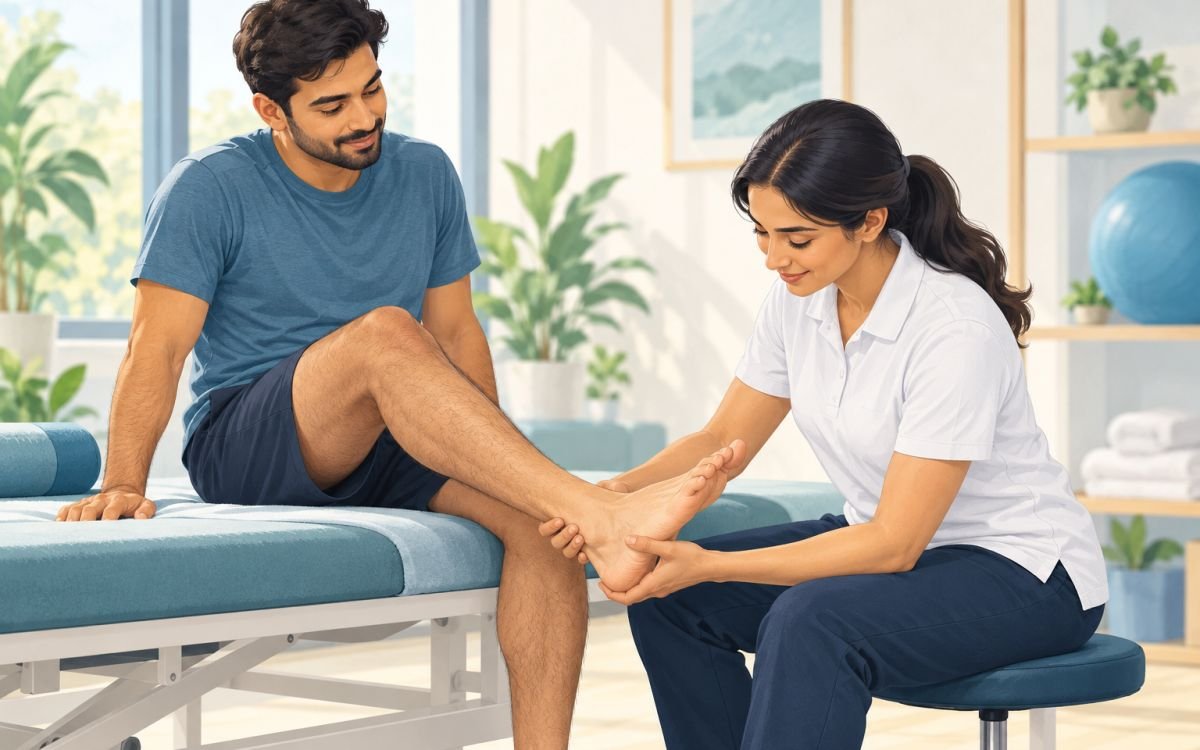
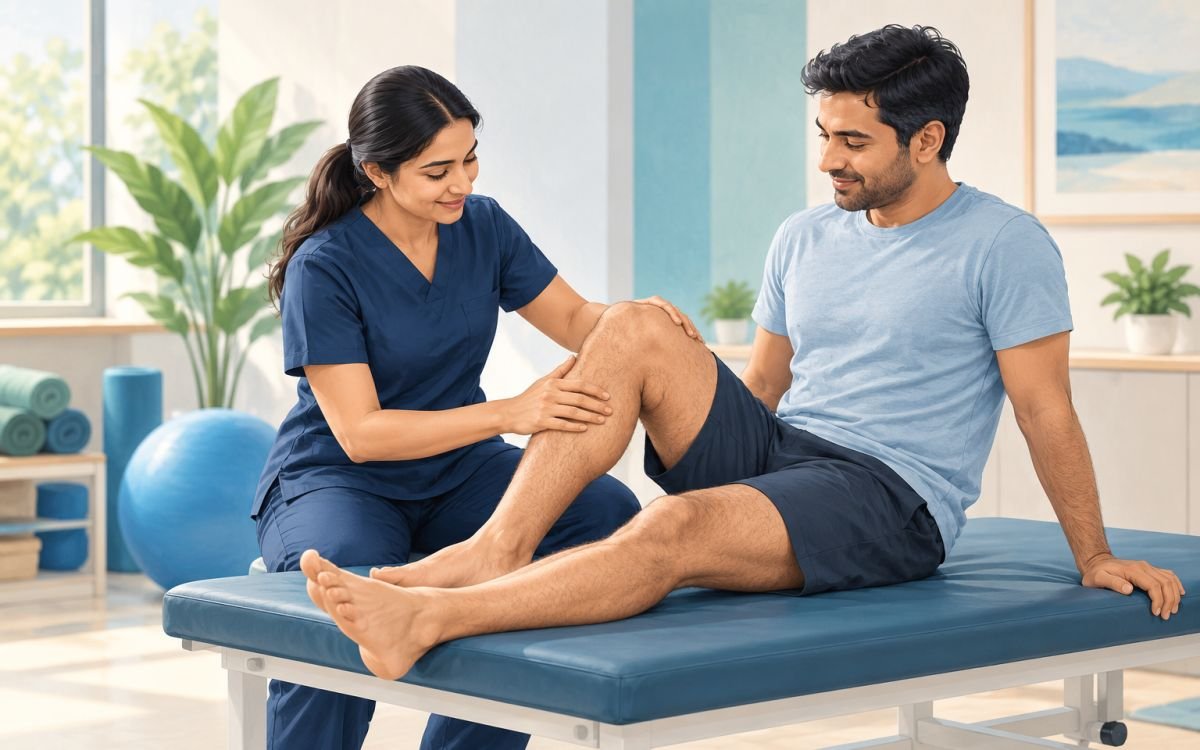
A physiotherapy assessment can help identify the most likely cause of your knee pain and set a plan that fits your goals – whether that’s walking without pain, managing stairs or getting back to sport.
For advice about your own symptoms, book an assessment at our New Panvel clinic.
This article is for general education and does not replace personal medical advice. If you have symptoms, please consult a qualified healthcare professional. See our medical disclaimer.